
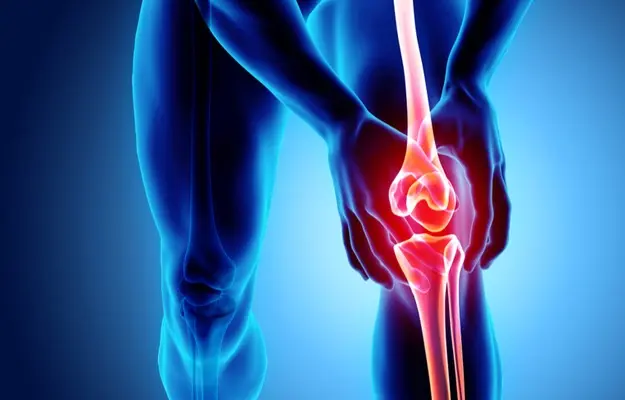
If you heard a “pop” after a pivot and now the knee gives way, that instability is classic for an ACL tear.
With correct diagnosis and plan, many return to sport—safely is the key.
In 30 seconds
- The main sign isn’t pain: it’s instability.
- Pivot sports (soccer/basket/padel) often benefit from reconstruction to protect meniscus and cartilage.
- Return is based on functional tests, not just calendar time.
- In Quito, hard courts + altitude + fatigue increase bad mechanics risk.
How the ACL tears (weekend classics)
- Twist with foot planted.
- Quick change of direction.
- Poorly controlled landing.
- Direct hit (less common).
Hard surfaces, altitude, and fatigue can lower neuromuscular control—common here.
Key symptoms
- “Pop” sound.
- Rapid swelling in hours.
- Hard to keep playing.
- Giving way on stairs or pivots.
# The key: instability
Pain may improve; instability is the red flag not to ignore.
Does everyone need surgery?
# Depends on sport and goals
- Pivot sports: often reconstruction to protect meniscus/cartilage.
- No pivot and stable after rehab: conservative care in selected cases.
# Why operate in athletes?
An unstable knee raises risk of meniscus tears and cartilage damage. Goal: protect long term.
Recovery & return
# Accelerated but with criteria
- Restore range of motion.
- Strength (quads are key).
- Stability/proprioception training.
- Pass functional tests before return.
Many return in 8–12 months, but return is based on tests, not just time.
When to consult
- Knee gives way.
- Recurrent swelling.
- No confidence to pivot/descend stairs.
- Twist with “pop.”
Dr. Calderón difference
Integral approach: surgery when indicated + goal-based rehab. As ISAKOS member and USFQ faculty, I follow updated protocols for safe return and lower re-tear risk.
Bottom line
If your knee feels unstable, don’t normalize it. Ignored ACL tears can damage meniscus and cartilage.
Book your evaluation in Quito (Fortune Plaza) or download my guide on “Sports knee injuries: first 72 hours.”
Medical note: educational; not a consult.
