
Degenerative knee
Osteoarthritis and knee replacement, step by step.
Cartilage wear brings stiffness and crepitus—no need to resign yourself. Early diagnosis, strengthening, and when needed, navigation- or robot-assisted replacement to restore mobility.
I work with all insurers via reimbursement.

Is replacement my only option?
We classify severity. Early stages: strength, weight, physio. In advanced wear: injections, preservation surgery if localized, or partial/total replacement when pain and function demand it.
Robotics & navigation: your advantage
Navigation/robotics optimize implant placement for longevity and pain reduction. They reproduce your biomechanics and improve ligament balance.
See how robotics improves replacement →Assisted technology
Navigation and robotics serving your knee
3D planning
Maps your knee to define cuts and component rotation.
Ligament balance
Adjusted tensions to avoid instability or stiffness.
Less pain
Precise cuts that respect soft tissues.
Fast track
Early mobilization and short hospital stay.
Reimbursement and support
I work with all insurers via reimbursement. I help with paperwork and documentation so costs are clear from the start.
Learn about the tech →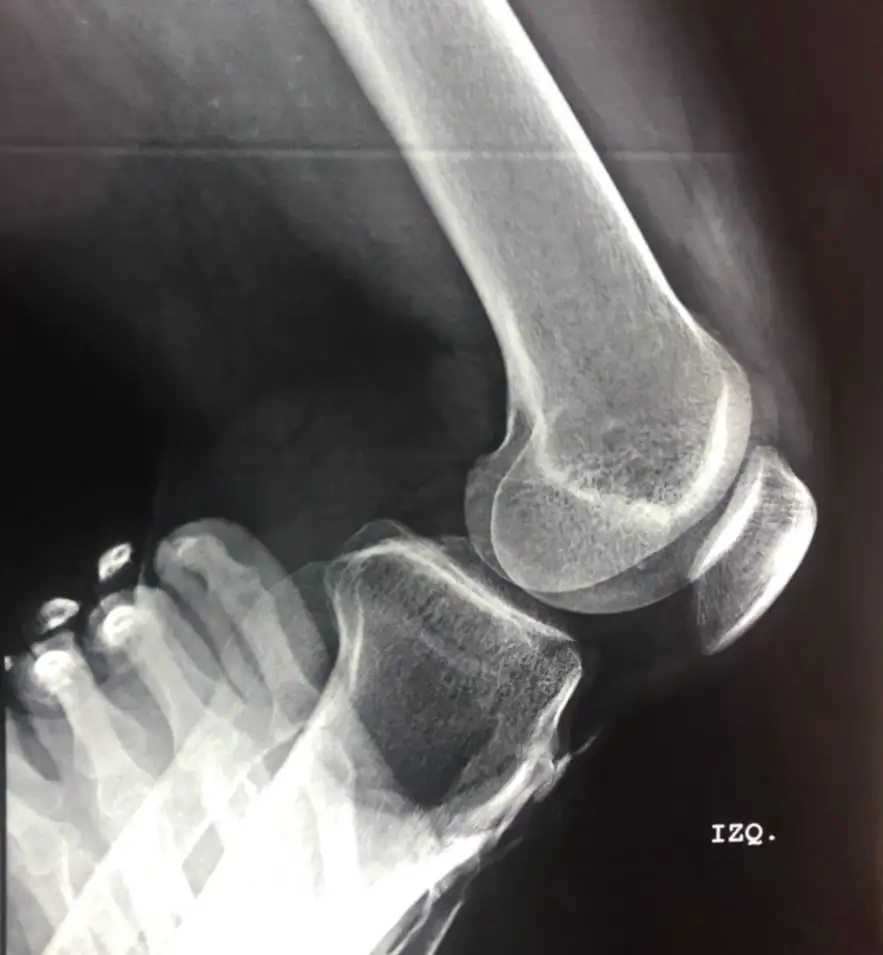
Warning signs and pain phases
Start-up pain, morning stiffness, crepitus, and progressive loss of motion signal cartilage wear. Night pain or significant limitation: we discuss partial/total replacement.
Mechanical pain
Worse with activity, better with rest and analgesics.
Inflammatory pain
Long morning stiffness or recurrent effusions.
Quick OA FAQ
Do I always need replacement?
Not always. I start with conservative care and preservation.
When is robotics ideal?
Advanced wear or complex axes: robotics improves alignment and reduces pain.
How long in the hospital?
Fast-track protocols: usually 1–2 days with immediate rehab.
Related knee care
