
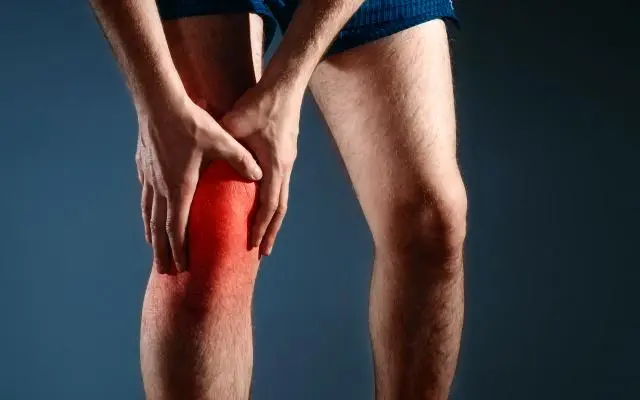
Stairs in Quito are a workout—add knee pain and it’s frustrating. Quick question that patients ask:
“Is this wear/arthritis already?”
Not always. Sometimes it’s condromalacia (younger/active adults). Other times it’s osteoarthritis (more common in older adults). Telling them apart changes the plan.
Condromalacia vs Osteoarthritis
# In younger/active: often patella (condromalacia)
- Front pain around/behind kneecap
- Pain going down stairs or after sitting long (“movie sign”)
- Crepitus without severe wear
# In older adults: often OA
- Morning stiffness
- Mechanical pain worse with load
- “Bone on bone” feel in advanced cases
- Deformity (bowlegs/knock-knees) sometimes
Symptoms pointing to OA
- Pain with usual walking
- Recurrent swelling
- Stiffness when getting up
- Difficulty with stairs/slopes
In Quito’s hilly areas, OA shows up sooner because of extra load.
Treatment ladder (stepwise)
# First: conservative
- Physio & strength
- Weight loss if needed (less load)
- Activity adaptation (without going sedentary)
- Analgesics/anti-inflammatories as indicated
# Then: injections (selected cases)
For pain/inflammation when physio alone isn’t enough.
# Replacement: last resort, but liberating for advanced wear
When wear is severe and pain limits life, a well-done replacement can restore independence.
Robotics for advanced OA
Why it helps: plan/execute precise alignment and balance. Can translate into better function, protect healthy tissue, and more even load.
Dr. Calderón difference
Personalized, stepwise care: not everything ends in surgery, but when needed, I aim for the most precise option (including robotics if indicated).
CTA
If stairs are already part of your daily pain, don’t let it advance without a proper evaluation. There are options before “the last resort.”
